The Minimalist Home: More Than an Aesthetic
Minimalism has become a popular design trend, but its appeal goes deeper than aesthetics. The philosophy behind a minimalist home is rooted in a simple observation: the objects that occupy your space also occupy your mental space. Visual clutter creates cognitive load. Every unnecessary item on a surface is a small demand on your attention, something you have to process, navigate around, or eventually deal with. Removing that clutter does not just make a room look better. It makes you feel better in it.
Starting With Surfaces
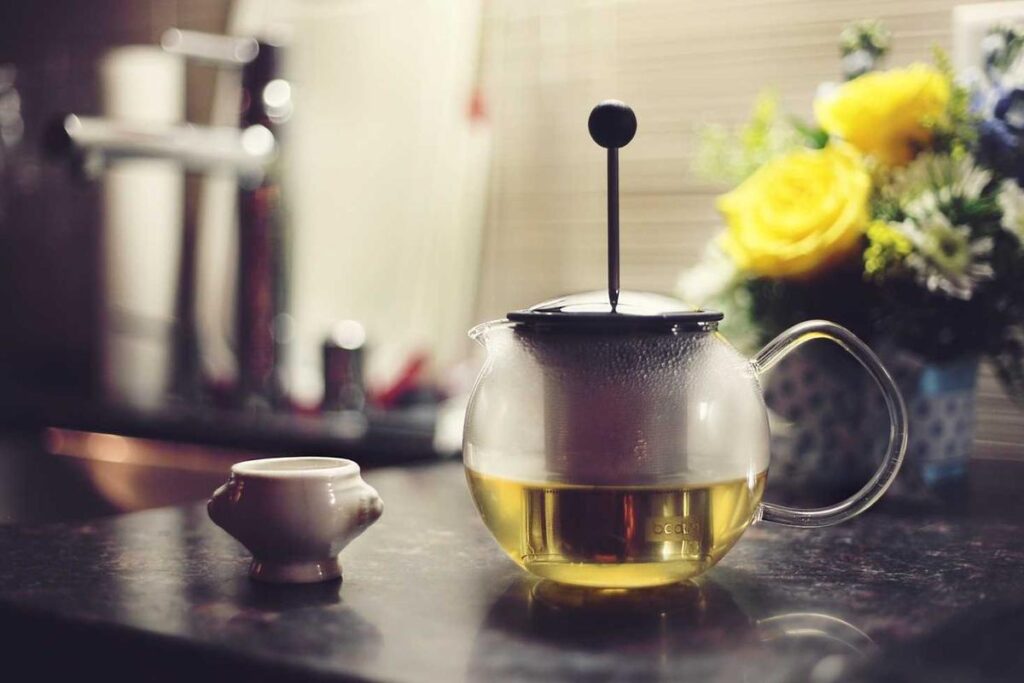
The most effective place to begin a minimalist approach is with surfaces, countertops, tables, shelves, and windowsills. These are the areas that accumulate clutter fastest and have the most visual impact when cleared. The goal is not to have empty surfaces, but to have intentional surfaces where every object present is either functional, beautiful, or both.
Start by removing everything from a surface entirely. Then return only what belongs there, what you use daily or what genuinely adds to the space. Everything else either finds a proper home elsewhere or leaves. This process, done room by room, creates a home that is significantly easier to clean, easier to navigate, and more peaceful to inhabit.
Making Necessities Beautiful
Minimalism does not mean getting rid of everything useful. It means choosing useful things that are also worth looking at. A tissue box is one of the most common examples of a functional item that is rarely beautiful. Most tissue boxes are simply tolerated in a space rather than chosen for it.
Replacing a standard tissue box with something like the Affosentials Car Tissue Tube, available in Floral, Truck Art, and Timeless Classic designs, turns a necessity into a design choice. It sits on a surface as something you deliberately put there, not something you are just managing to have around. Explore the full home essentials range for more practical, beautiful additions to a considered home.
The Psychological Effect of a Decluttered Home
Research consistently shows that people in cleaner, more organised environments report lower stress levels, better concentration, and improved mood. When you walk into a room and your eyes are not pulled in six directions by competing visual information, your nervous system responds with a measurable degree of calm. The minimalist home is not a destination. It is a direction. And every step in that direction has a real effect on daily life.